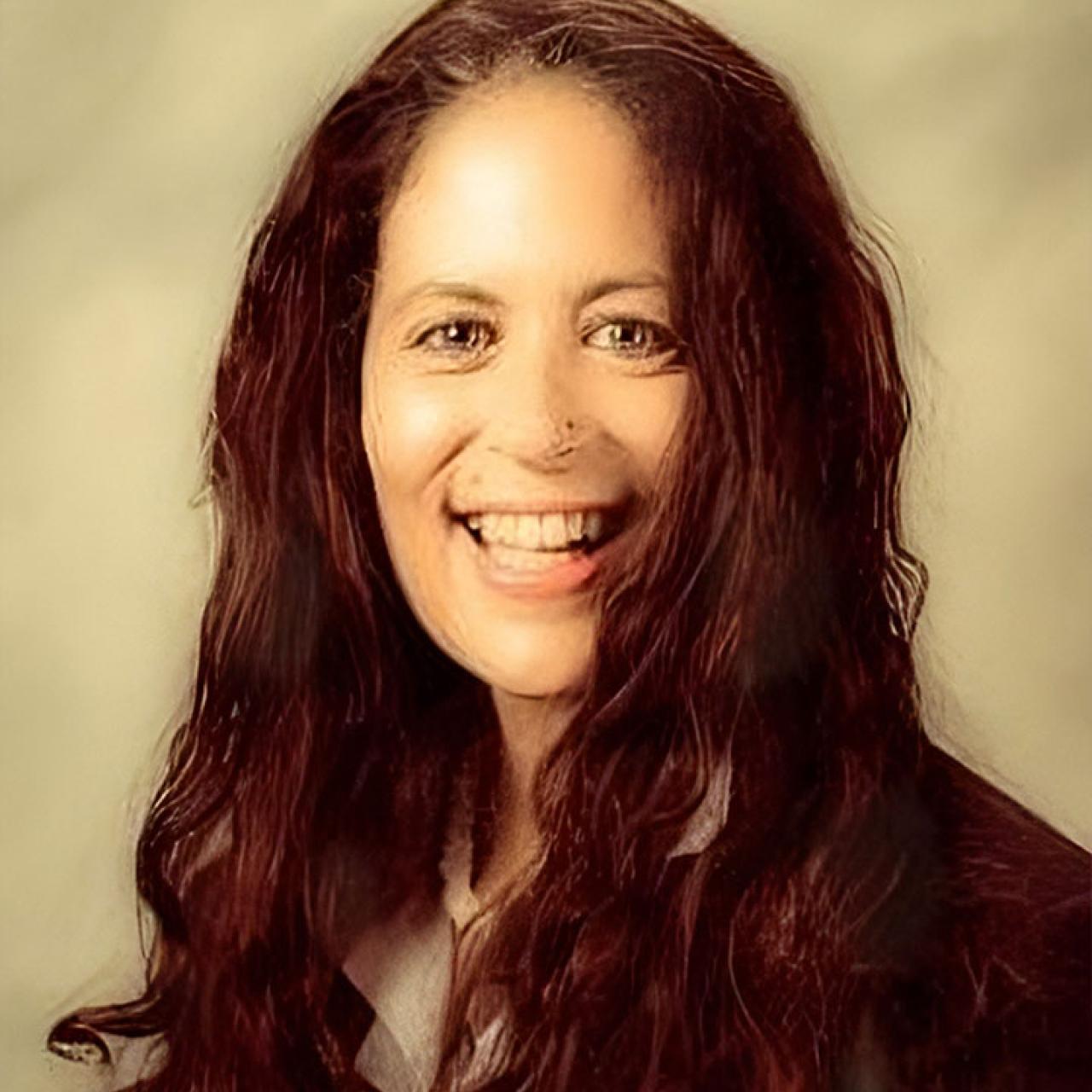
Gia Elise Barboza-Salerno, MA, MS, JD, PhD
Associate Professor
What do you research, and what brought you to that area of study?
I study the structural and environmental conditions that create and sustain violence-related harm, including adverse childhood experiences, fatal and nonfatal firearm injuries, intimate partner violence, suicide, and substance use, as well as the systemic inequalities that perpetuate them. My research integrates spatial analysis, law, statistics, and public policy to understand how neighborhood conditions and legal systems shape risk, system contact, developmental trajectories, and health outcomes. Additionally, my work examines the psychosocial consequences of violence-related harm, including the intersection of violence and injury. I was drawn to this work through both personal and professional experiences. Growing up in a second-generation, single-parent household exposed to poverty and family violence gave me a firsthand understanding of these challenges. As an adult, reflecting on these experiences alongside my work on youth violence and my legal work with domestic violence survivors solidified my commitment to examining the structural determinants of place-based harm rather than emphasizing deficits within individuals or families.
What impact do you hope your research will have?
I hope that my research will continue to challenge conventional individual-level frameworks and reframe violence and trauma as public health and civil rights issues that require structural, place-based solutions. Ultimately, I want my work to inform proactive public policy and legal reform that protects vulnerable populations. Inspired by my own mentor and recognizing the importance of actionable, geographically referenced data, I aim to support community-driven development, strengthen legal defense through structural mitigation, and help ensure that predictive AI technologies in child welfare, housing, and environmental decision-making are used equitably. Additionally, by documenting the prevalence and consequences of chronic brain injury among survivors of domestic abuse, I hope to improve how legal and medical systems identify, understand, and respond to injury and other violence-related harms.
What excites you about doing interdisciplinary research at OSU?
What excites me most about OSU is the opportunity to collaborate across disciplines, its infrastructure for supporting collaborative research, and its breadth of interdisciplinary expertise. Having a joint appointment in the College of Social Work and the College of Public Health allows me to integrate public health, law, statistics, and spatial analytics to address complex societal issues. My affiliations with OSU’s Center for Brain Injury Recovery & Discovery (CBIRD) and the Center for Urban and Regional Analysis (CURA) provide platforms to collaborate across medicine, urban studies, geography, public health, and social work to study the long-term impacts of violence-related harm. This collaborative environment not only enables the study of multifaceted research questions but also provides an opportunity to mentor the next generation of scholars through the Investigating Spatial Structures in Urban Environments (ISSUES) Lab, which I founded in the College of Social Work, and to demonstrate how rigorous research can be translated into legal, policy, and community action.
What are you most proud of?
Personally and professionally, I am most proud of my children, who have inspired me throughout my educational and career journey, beginning when I was an undergraduate student. As a first-generation college student of Cape Verdean descent, I completed a law degree (JD), a PhD, and master's degrees in statistics and family studies, and later completed postdoctoral training at Harvard, all while raising a large family. Being able to show that, with hard work, dedication, perseverance, and resilience, seemingly impossible goals can be reached; balancing family and career while serving as a role model for my children and students, and advocating for marginalized communities is my most significant and meaningful achievement.